
QUARTZ VAR. AMETHYST
ABOUT THE SPECIMEN
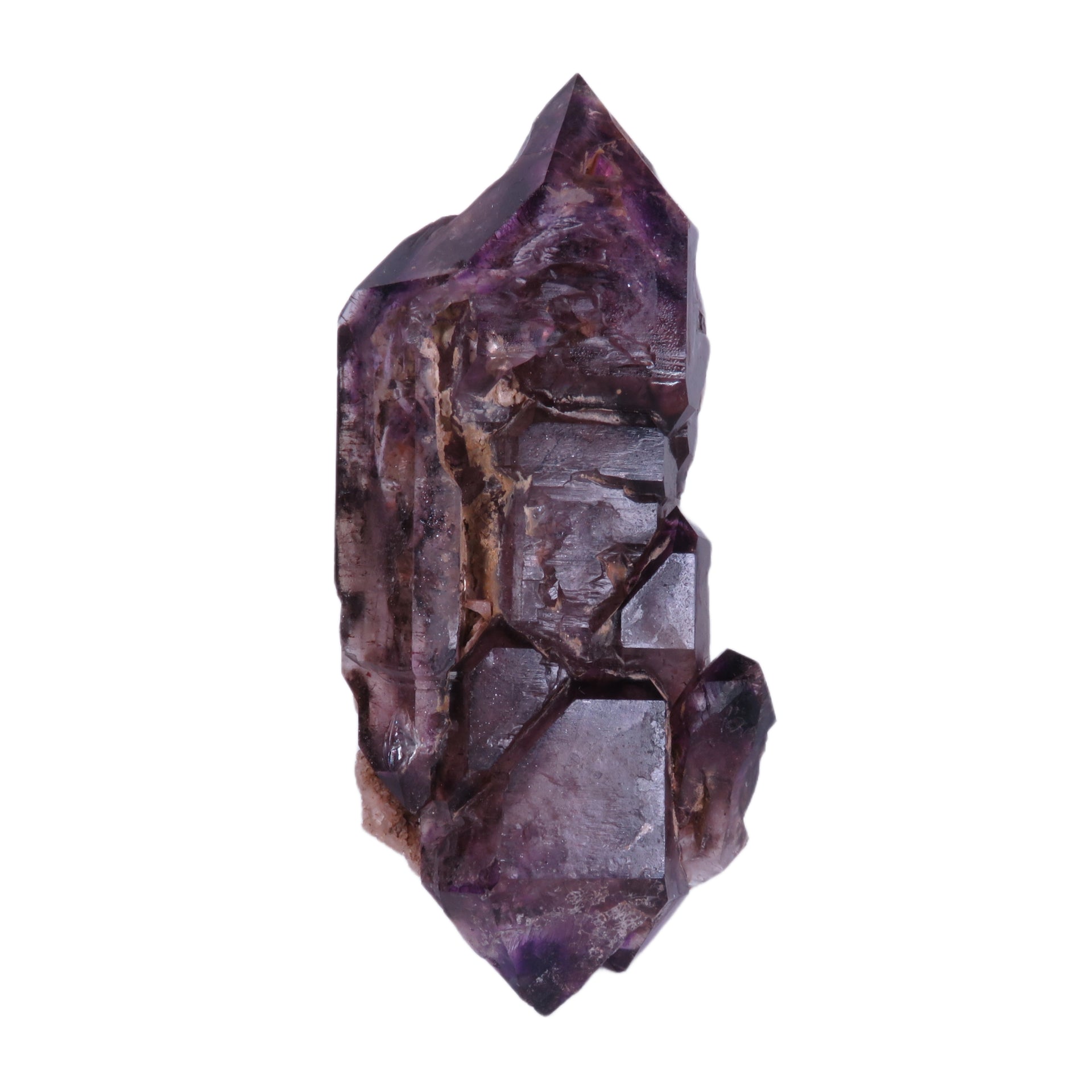
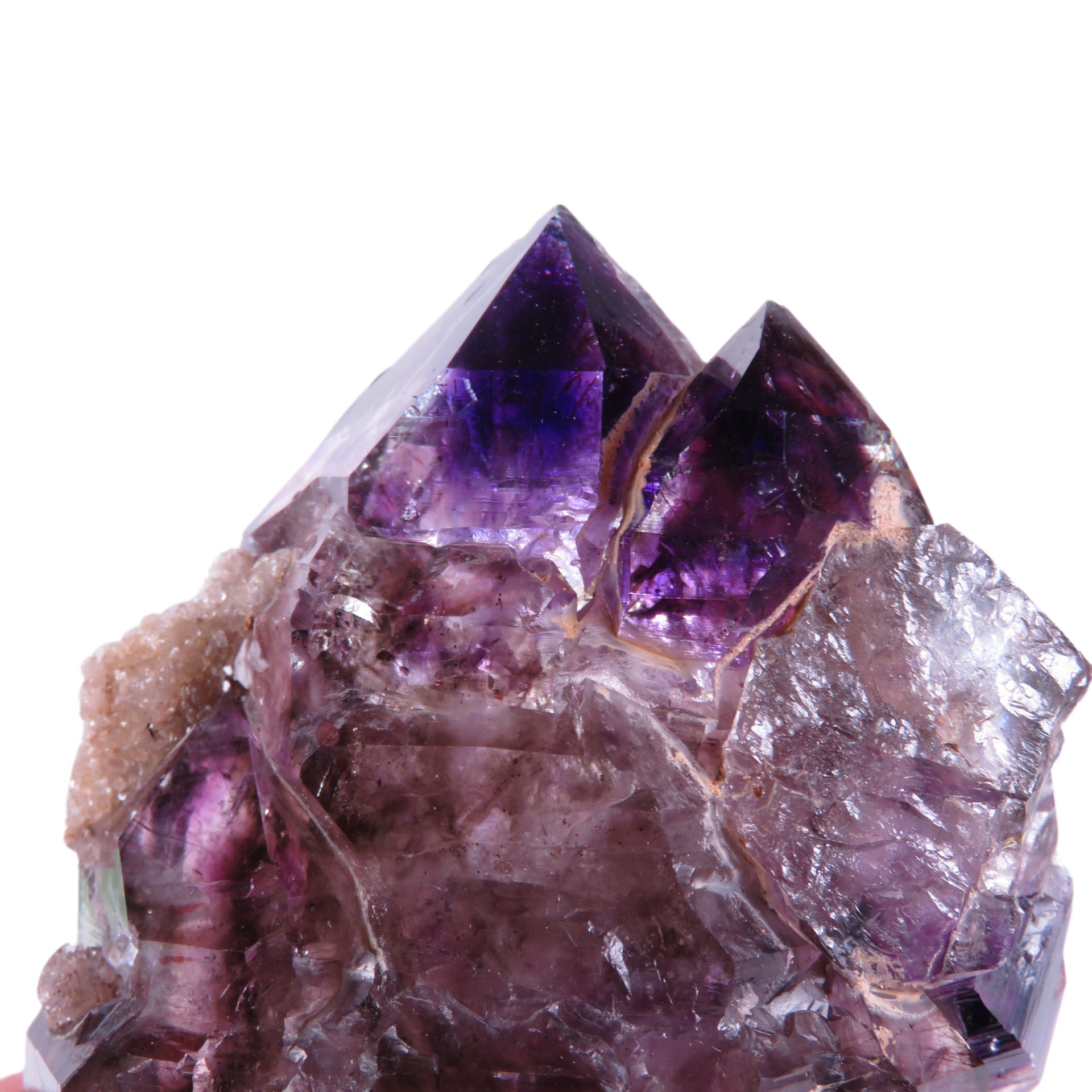
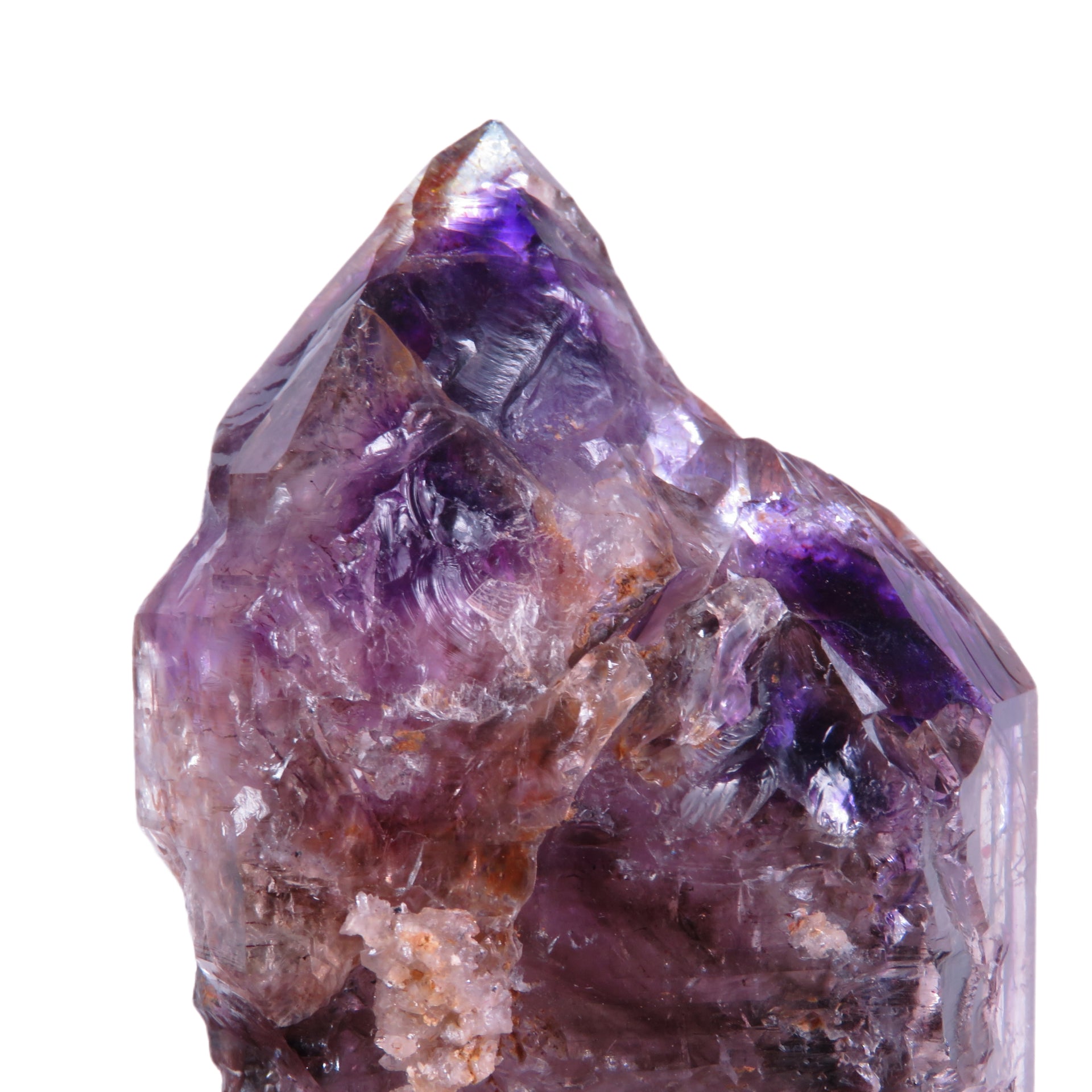
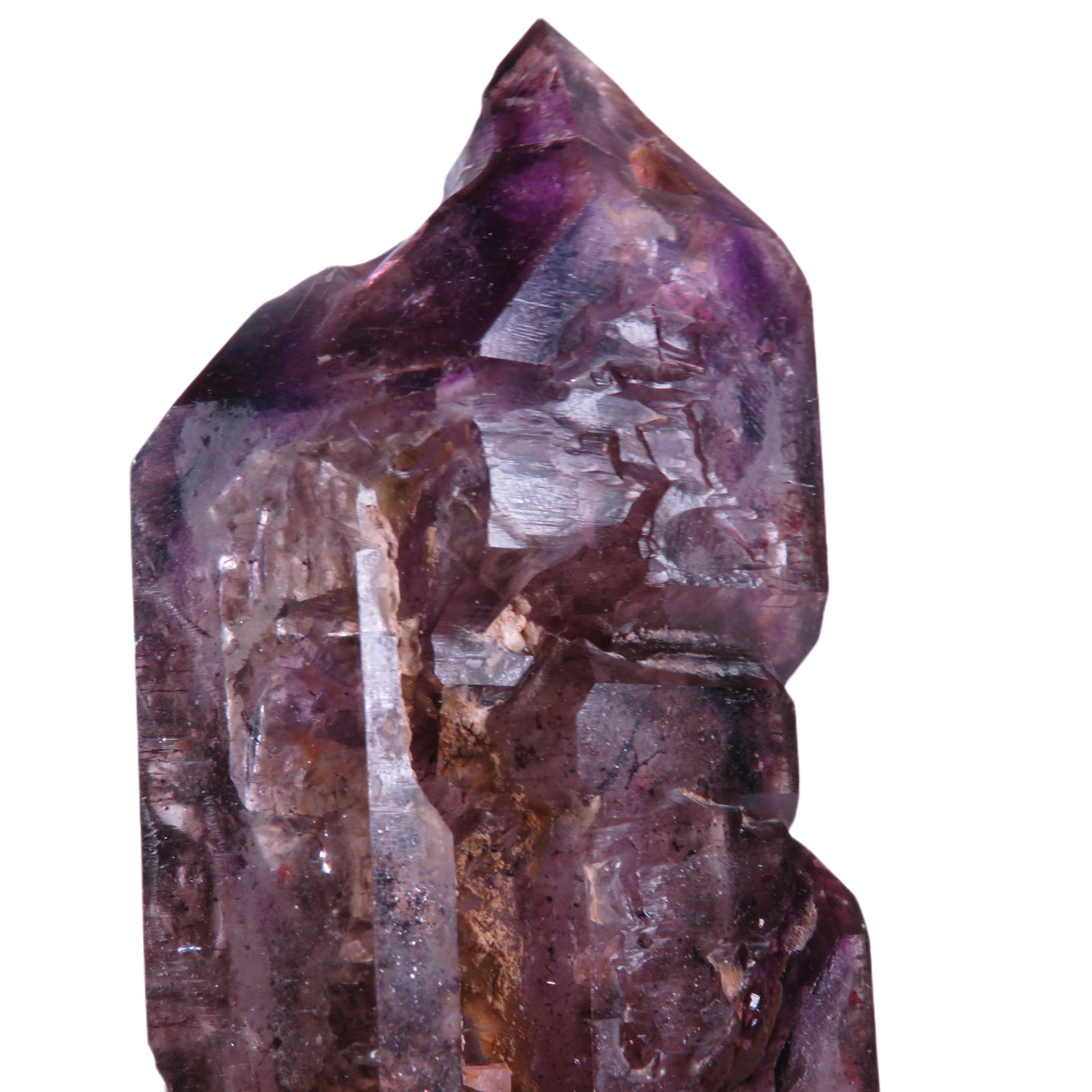
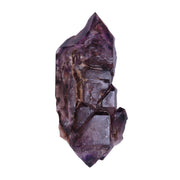
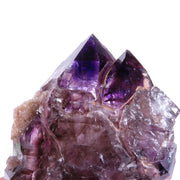
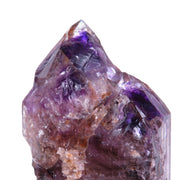
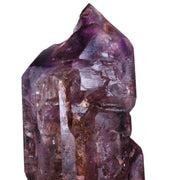
Intensely colored, beautiful, and doubly terminated growth of what has become known as Shangaan amethyst. Both sides show sharp terminations, one of which I think looks like a rhino’s horn. This large amethyst comes from a tribally collected locale that has become famous for both the quality of crystals and the sustainable practices used to extract them, and this is without a doubt one of the finest ones I’ve seen. The specimen is almost a complete floater, with good crystallization on all sides. Pockets of the crystal have been filled with clay which could be removed with further cleaning.
MORE INFO
The Chibuku Mine sits within the Zimbabwe Craton - one of earth's most ancient and stable continental blocks - in the Chiredzi District of southeastern Zimbabwe, where hydrothermal fluids circulating through fractures in metamorphosed Archean volcanic rock deposited quartz in open cavities. Amethyst and smoky quartz scepters from Chiredzi have been known locally for at least two decades, originally gathered from surface showings by members of the Shangaan people using only basic tools, with more systematic workings beginning in 2012. The purple coloration results from ferric iron in the quartz structure combined with natural gamma irradiation - standard amethyst coloration - but what distinguishes Chibuku material is the consistent co-occurrence of multiple unusual features: acicular hematite needles suspended within the crystal body, alternating smoky and amethyst phantom zones documenting cyclical shifts in iron oxidation and irradiation during growth, scepter morphology reflecting interrupted and resumed crystallization, occasional skeletal fenster windows, and rare enhydro inclusions. The adjacent Shangani Mine produces broadly identical material and the two are routinely conflated in the trade. Supply is artisanal and pocket-dependent, with drilling and blasting introduced at Chibuku after 2022.